Here are some of my favourite quotes from "Garden Voices Two Centuries of Canadian Garden Writing" edited by Edwinna Von Baeyer and Pleasance Crawford. While some of the older writings included in this collection are dry and uninspired there are a few great pieces of writing. This was a wonderful winter read!
"We think of plant communities as peaceful. They're not of course: they're battlefield that seem calm only because the skirmishes are fought in silence and slow motion, often underground. A garden is just a lull in the warfare, and it exists only as long as the gardener's authority lasts. We're the arbiters, the little gods. It's a tough job." - Elspeth Bradbury, 1994
"Apple trees were a first demand of Chipman, Winslow and others when they established themselves in New Brunswick. This was for a very good reason - rum and spruce beer were cheap and plentiful, but in gentlemen's houses tastes ran to the more costly and scarcer wine and cider." - J. Russell Harper, 1955
"I believe my brother farmers are the losers by neglecting the garden. I know that I have lost by such neglect, and by the well-known rule, judge others by myself. The garden pays full as well as the field." - A Canadian Farmer, 1859
"One mistake so many people make in laying out a garden is to put it all in front of the house in a series of stiff little beds, which have no artistic beauty about them. Try instead taking the already beaten lines of travel, which have been made by the tramping of feet to and fro, from the barn to the house, from the well to the house. These paths will, probably, have some pretty curves to them, unless the ground surrounding your house is absolutely level and the distance to be travelled very short. In any case try broadening them out wide enough for two people to walk abreast and then make a wide flower border on one or both sides..." -Mary Irene Parlby
Saturday, March 31, 2018
Review: Garden Voices
Labels:
book,
garden,
homesteading,
resource,
review
Thursday, March 15, 2018
Release your Zine: Motivation and Success
Tough Talk about Motivation
Sometimes as writers and creators we feel as though we should create a certain item and for zine makers that sometimes manifests as 'I should make a zine about x.' However you need the motivation to actually work on (and complete) that zine otherwise it will languish on your to-do list for months. If you would rather exercise, watch Supernatural, read, craft, cook or ___ then work on your zine then your motivation for that zine topic is lacking.
Choosing a topic
Most zine makers have a lot of ideas for zines and there are two considerations when narrowing down potential zine topics. The first is related to perfectionism. We think 'This topic is great! It will be so fun to make BUT if I wait until my skill in relation to x is more advanced than the whole zine will be that much better. I'll wait...' This reasoning results in you not actively practising that skill AND avoiding a zine topic that you love. One of the wonderful consequences of the small print and distribution numbers of zines is that you can easily re-release updated versions of past zines. You can remake the same issue. You can stop distributing an outdated zine. You can change your pen name and pretend you never released that zine! The second consideration when choosing a zine topic related to your motivation regarding that zine topic in relation to how much time you have available to spend on zine making. If your zine making time is frequently occupied and at odds with time spent on other hobbies, consider making a zine about that hobby - thereby killing two birds with one stone.
Creating Content
Content creation is probably the biggest worry for new new zine makers and the topic that is hardest to give advice on because so much of content creation is entirely reliant on the individual. If you gave the same zine topic to 50 zine makers, the content of all the resulting zines would be unique. The most important thing to remember concerning content creation is... done is better than perfect. If you are motivated and excited to write about monsters in space then do it - even if you struggle with layout or only have enough content for a mini zine. The process of creating the zine you want to create is a valid reason for creating it.
Layout
There are as many ways to layout a zine as there are zine makers. Finding your zine style is a just a matter of trail and error. My first zines took ages to do the layout for and the end product wasn't that good! But as I use the same layout style for every zine, I can now go from a finalised computer file to a zine that is copied and collated in a few - relatively stress free - days. My layout style does not change from zine to zine which may or may not be true for you. I write, edit and organise content in a computer file, then print out and cut-and-paste the content into a layout which is then copied and collated into the final zine format.
Distribution
It can be fun to create zines for your own benefit and enjoyment but distribution is a fulfilling part of zine making as well. Increasing the distribution of your zines can help make zine making a monetarily self-sufficient hobby. Most folks start making zines as a creative hobby and understandably do not keep accurate records. As you move your zine making from strictly hobby toward a more monetarily self-sufficient hobby it becomes important to audit your zine situation in order to accurately describe where you are and help you make decisions that reflect your future goals. An audit is simply a realistic examination and description of your current zine situation.
How much does it cost to photocopy one zine?
How much does shipping cost per zine? (domestic and international)
How much are your selling platform fees? (etsy fees, paypal fees)
How many copies of your last issue did you produce?
How many copies do you currently have in stock?
How many did you trade? What was the cost of trading?
How many did you give away?
How many did you sell?
Are you breaking even on your zine production costs?
Are you breaking even on your zine distribution costs?
How can you reduce zine related costs?
The Definition of Success
It is beneficial to have a clear view and definition of what a 'successful zine' is for you. Have you had 'write a zine' on your to-do list for years? Then just finishing is a success! Do you frequently release zines and want to up your game? Sending zines to review sites might be the definition of success.
I define success in terms of the things I can control.
I can control the quality and content of the zine I release.
I can control the methods and frequency of self-promotion.
I cannot control how many zines are purchased.
I cannot control how my zine is received.
It can be difficult to determine what a 'popular' zine topic will be but my zine making endeavours are about more than sales. I enjoy the research and creativity of zine making. For example, I recently released 'Winged Snail Naturalists' Society: Birder Beginnings' which motivated and inspired me to learn about birding which has been on my 'to-do' list for years. The personal consequences of releasing that zine is my continued interest in local birds - and that zine was a success even if I did not sell many copies!
Sometimes as writers and creators we feel as though we should create a certain item and for zine makers that sometimes manifests as 'I should make a zine about x.' However you need the motivation to actually work on (and complete) that zine otherwise it will languish on your to-do list for months. If you would rather exercise, watch Supernatural, read, craft, cook or ___ then work on your zine then your motivation for that zine topic is lacking.
Choosing a topic
Most zine makers have a lot of ideas for zines and there are two considerations when narrowing down potential zine topics. The first is related to perfectionism. We think 'This topic is great! It will be so fun to make BUT if I wait until my skill in relation to x is more advanced than the whole zine will be that much better. I'll wait...' This reasoning results in you not actively practising that skill AND avoiding a zine topic that you love. One of the wonderful consequences of the small print and distribution numbers of zines is that you can easily re-release updated versions of past zines. You can remake the same issue. You can stop distributing an outdated zine. You can change your pen name and pretend you never released that zine! The second consideration when choosing a zine topic related to your motivation regarding that zine topic in relation to how much time you have available to spend on zine making. If your zine making time is frequently occupied and at odds with time spent on other hobbies, consider making a zine about that hobby - thereby killing two birds with one stone.
My 'Tatting Basics' zine is a zine related to my hobby of Tatting.
Creating Content
Content creation is probably the biggest worry for new new zine makers and the topic that is hardest to give advice on because so much of content creation is entirely reliant on the individual. If you gave the same zine topic to 50 zine makers, the content of all the resulting zines would be unique. The most important thing to remember concerning content creation is... done is better than perfect. If you are motivated and excited to write about monsters in space then do it - even if you struggle with layout or only have enough content for a mini zine. The process of creating the zine you want to create is a valid reason for creating it.
Layout
There are as many ways to layout a zine as there are zine makers. Finding your zine style is a just a matter of trail and error. My first zines took ages to do the layout for and the end product wasn't that good! But as I use the same layout style for every zine, I can now go from a finalised computer file to a zine that is copied and collated in a few - relatively stress free - days. My layout style does not change from zine to zine which may or may not be true for you. I write, edit and organise content in a computer file, then print out and cut-and-paste the content into a layout which is then copied and collated into the final zine format.
I encourage you to create content in a format you are comfortable with.
'Winged Snail Mail' is my oldest - and longest running zine series.
It can be fun to create zines for your own benefit and enjoyment but distribution is a fulfilling part of zine making as well. Increasing the distribution of your zines can help make zine making a monetarily self-sufficient hobby. Most folks start making zines as a creative hobby and understandably do not keep accurate records. As you move your zine making from strictly hobby toward a more monetarily self-sufficient hobby it becomes important to audit your zine situation in order to accurately describe where you are and help you make decisions that reflect your future goals. An audit is simply a realistic examination and description of your current zine situation.
How much does it cost to photocopy one zine?
How much does shipping cost per zine? (domestic and international)
How much are your selling platform fees? (etsy fees, paypal fees)
How many copies of your last issue did you produce?
How many copies do you currently have in stock?
How many did you trade? What was the cost of trading?
How many did you give away?
How many did you sell?
Are you breaking even on your zine production costs?
Are you breaking even on your zine distribution costs?
How can you reduce zine related costs?
The Definition of Success
It is beneficial to have a clear view and definition of what a 'successful zine' is for you. Have you had 'write a zine' on your to-do list for years? Then just finishing is a success! Do you frequently release zines and want to up your game? Sending zines to review sites might be the definition of success.
I define success in terms of the things I can control.
I can control the quality and content of the zine I release.
I can control the methods and frequency of self-promotion.
I cannot control how many zines are purchased.
I cannot control how my zine is received.
It can be difficult to determine what a 'popular' zine topic will be but my zine making endeavours are about more than sales. I enjoy the research and creativity of zine making. For example, I recently released 'Winged Snail Naturalists' Society: Birder Beginnings' which motivated and inspired me to learn about birding which has been on my 'to-do' list for years. The personal consequences of releasing that zine is my continued interest in local birds - and that zine was a success even if I did not sell many copies!
Wednesday, February 28, 2018
FREE Tatted Snowflake Pattern
I spent most of the early winter tatting Christmas ornaments in advance of my first ever local craft fair.
This 'Winter Flurries' Snowflake pattern is my first ever unique tatting design. It is available for free download HERE.
I also created a 'Tatting Basics' zine which includes the basic instructions on tatting (with DIY tatting shuttle) as well as the written and diagrammed instructions for this snowflake.
Labels:
design,
foraged fibre,
my crafting life,
resource,
tatting,
zine
Thursday, February 15, 2018
Review: Rabbit Raising
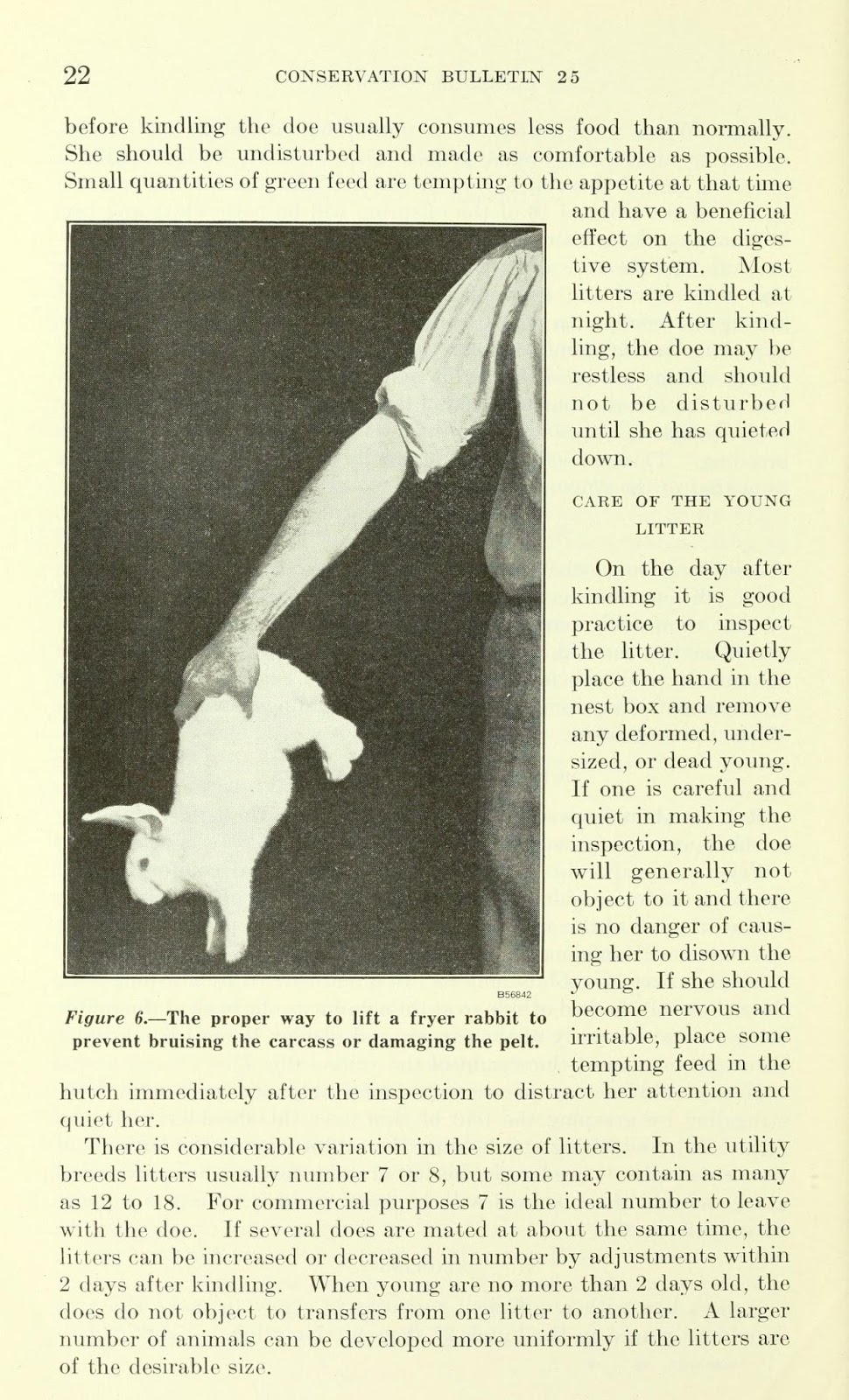
Lately, I have been pursuing archive.org. I find the collection of early 1900s chicken magazines fascinating but recently found a few interesting rabbit resources as well. 'Rabbit Raising' by George S. Templeton, Frank G Ashbrook, and Charles E. Kellogg was published in 1942 by the U.S. Department of the Interior and originally cost 10 cents! (Direct link here)
While it is important to be critical of any publication I do think that vintage publications should be approached with an extra critical eye simple due to the drastic changes in scientific knowledge that have occurred since 1942. With that said, here are some of the interesting information I gleaned from reading 'Rabbit Raising'.
- Rabbits waste a considerable quantity of hay as they pull a stem of hay from the manager, eat part of it and drop the rest. This wastage can be reduced by cutting the hay into 3 or 4 inch lengths.
- It is recommended to leave kits with the doe for a full 8 weeks because the mother's milk supply will gradually decrease over this time frame and the kits will become accustomed to consuming more solid foods as this decrease occurs. Natural weaning in this way results in less of a shock to the kit and the weight loss that occurs with sudden weaning will be avoided.
- When fed a mixed feed, rabbits will scratch out the most palatable kinds of feed resulting in considerable food waste. This can be resolved by placing the different grains and supplements in separate compartments so that rabbits have free access to any kind of feed they want. This means that the rabbit can consume the particular type of feed they desire without waste.
While it is important to be critical of any publication I do think that vintage publications should be approached with an extra critical eye simple due to the drastic changes in scientific knowledge that have occurred since 1942. With that said, here are some of the interesting information I gleaned from reading 'Rabbit Raising'.
- Rabbits waste a considerable quantity of hay as they pull a stem of hay from the manager, eat part of it and drop the rest. This wastage can be reduced by cutting the hay into 3 or 4 inch lengths.
- It is recommended to leave kits with the doe for a full 8 weeks because the mother's milk supply will gradually decrease over this time frame and the kits will become accustomed to consuming more solid foods as this decrease occurs. Natural weaning in this way results in less of a shock to the kit and the weight loss that occurs with sudden weaning will be avoided.
- When fed a mixed feed, rabbits will scratch out the most palatable kinds of feed resulting in considerable food waste. This can be resolved by placing the different grains and supplements in separate compartments so that rabbits have free access to any kind of feed they want. This means that the rabbit can consume the particular type of feed they desire without waste.
Labels:
book,
homesteading,
my farm life,
rabbit,
review,
vintage
Tuesday, January 30, 2018
The Prairie Farmer
In the months after the purchase of our agricultural land we began to pay attention to agricultural issues as presented in social media and main stream media as they pertain to our future in Manitoba. There really seemed to be a vacancy in clear, concise, coverage of agricultural issues that presented the issues and concerns while remaining professional in nature. Rather than simply complain about this lack of journalistic coverage I decided to do something about it and The Prairie Farmer was born.
The Prairie Farmer is an annual print journal that discusses innovative agricultural ideas and techniques for backyard producers, market gardeners and mid-scale farmers through a balanced journalistic approach that focuses on prairie agricultural issues and is written by women of the Canadian prairies.
The Prairie Farmer accepts submissions from women (cisgender and transgender), transgender men, Two-Spirit and non-binary people of all backgrounds and identities. We prioritise submissions about experiences relating to the Canadian Prairie Provinces (Alberta, Saskatchewan, Manitoba). Submissions of an academic, experimental, instructive, personal and/or artistic nature are welcome.
Labels:
chicken,
diy,
homesteading,
my farm life,
resource,
zine
Monday, January 15, 2018
Indoor Worm Composting: Lessons From the First Year
I have been exploring the wonderful world of vermicompost for the last year (see Indoor Worm Composting and Indoor Worm Composting: Update!)
Record Keeping
About half way through the year I started keeping detailed notes on my worm bins. I note the amount and type of food fed, vermicompost and worm harvest, and problems as they arise and resolve. This helped me see why my second bin developed a fruit fly infestation - I was basically overfeeding them which was apparent when reviewing the records. Accurate and detailed record keeping is a vital skill and habit to develop.
Learning Curve
Any new skill set comes with challenges and the learning curve for composting worms was a bit steep for me - but I think I have a handle on it currently. Understanding that every practical, homestead, and livestock related skill will have a steep learning curve will allow me to set up future projects for success from the start by implementing changes slowly and scaling production at a reasonable rate. Recognising that livestock projects have steep learning curves will also help me avoid disappointment when it's not all easy-peasy-lemon-squeezy and hopefully help keep livestock safe during that initial learning phase.
Hive Mind
I have two favourite Facebook groups (Vermicomposting and Red Worm Composting) and I love pursuing the posts there for personal education (for example, someone was experimenting with an all cardboard worm bin) as well as adding my 0.02 cents when it comes to helping out newbies. There is always more to learn and my favourite Facebook groups encourage that type of open communication, learning and polite discourse.
Hopefully these skills will allow me to scale up production in the near future. My system has to get larger to fully incorporate the food scrapes that we produce. Additionally I have some ideas to allow for a small stream of income to emerge. To that end I recently made a Beginner's Guide to Worm Composting zine.
Record Keeping
About half way through the year I started keeping detailed notes on my worm bins. I note the amount and type of food fed, vermicompost and worm harvest, and problems as they arise and resolve. This helped me see why my second bin developed a fruit fly infestation - I was basically overfeeding them which was apparent when reviewing the records. Accurate and detailed record keeping is a vital skill and habit to develop.
Learning Curve
Any new skill set comes with challenges and the learning curve for composting worms was a bit steep for me - but I think I have a handle on it currently. Understanding that every practical, homestead, and livestock related skill will have a steep learning curve will allow me to set up future projects for success from the start by implementing changes slowly and scaling production at a reasonable rate. Recognising that livestock projects have steep learning curves will also help me avoid disappointment when it's not all easy-peasy-lemon-squeezy and hopefully help keep livestock safe during that initial learning phase.
Hive Mind
I have two favourite Facebook groups (Vermicomposting and Red Worm Composting) and I love pursuing the posts there for personal education (for example, someone was experimenting with an all cardboard worm bin) as well as adding my 0.02 cents when it comes to helping out newbies. There is always more to learn and my favourite Facebook groups encourage that type of open communication, learning and polite discourse.
Hopefully these skills will allow me to scale up production in the near future. My system has to get larger to fully incorporate the food scrapes that we produce. Additionally I have some ideas to allow for a small stream of income to emerge. To that end I recently made a Beginner's Guide to Worm Composting zine.
Labels:
diy,
livestock,
my farm life,
off grid,
record keeping,
resource,
worm
Friday, September 1, 2017
Indoor Worm Composting: Update!
I've had my Indoor Worm Composting system since February (see first post here) and over the summer I switched from the 5 gallon bucket system to the more common rubbermaid tote system. I found that the materials became dense in the bucket system and I found it difficult to regulate feeding. The tote system seems to have a better surface area ratio which makes the upkeep simpler.
Once I made the switch to totes, my worm population really took off so I started a second bin (which is currently stacked in my kitchen!) I find it difficult to remove finished vermicompost from an active bin as the uneaten food, bedding, and finished compost is mixed together so I plan on only feeding the new bin. This should allow the worms in the first bin to eat through all available food making harvesting vermicompost easier.
I have also started a more detailed record keeping system. Each bin has a sheet that details the Bin #, date started, and the initial worm count/type. This sheet also has a place to record the date and amount of vermicompost removed as well as the date and amount of worms removed. A second sheet tracks the inputs for each bin by recording the date, bin #, type and amount of food, as well as type and amount of bedding. I hope this record keeping system will improve my worm wrangling abilities!
Labels:
diy,
garden,
homesteading,
livestock,
my farm life,
reclaimed,
record keeping,
worm
Subscribe to:
Posts (Atom)